Hyundai Tucson: Components and Components Location
Components Location
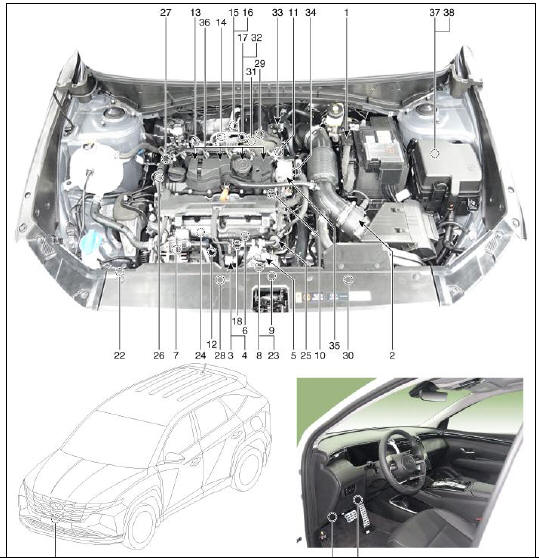

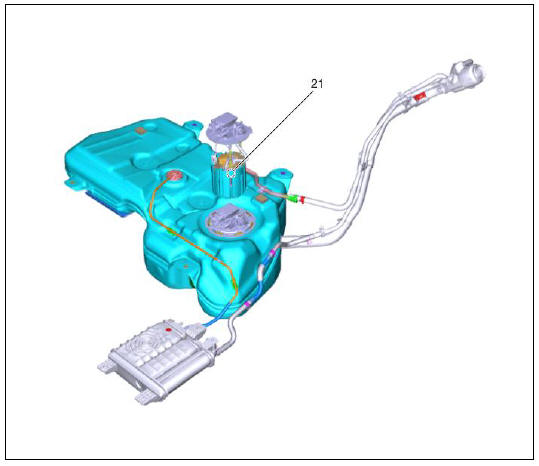
- Engine Control Module (ECM)
- Mass Air Flow Sensor (MAFS)
- Manifold Absolute Pressure Sensor (MAPS)
- Intake Air Temperature Sensor (IATS)
- Boost Pressure Sensor (BPS)
- Engine Coolant Temperature Sensor (ECTS) #1
- Engine Coolant Temperature Sensor (ECTS) #2
- Throttle Position Sensor (TPS) integrated into ETC Module
- Crankshaft Position Sensor (CKPS)
- Camshaft Position Sensor (CMPS) Bank 1 / Intake
- Camshaft Position Sensor (CMPS) Bank 1 / Exhaust
- Knock Sensor (KS)
- Heated Oxygen Sensor (HO2S) Bank 1 / Sensor 1
- Heated Oxygen Sensor (HO2S) Bank 1 / Sensor 2
- Exhaust Gas Temperature Sensor (EGTS) #1 GPF Type
- Exhaust Gas Temperature Sensor (EGTS) #2 GPF Type
- EGR Temperature Sensor
- Rail Pressure Sensor (RPS)
- Accelerator Position Sensor (APS)
- Ambient Temperature Sensor (ATS)
- Fuel Level Sender (FLS)
- A/C Pressure Transducer (APT)
- ETC Motor integrated into ETC Module
- Injector
- Purge Control Solenoid Valve (PCSV)
- Variable Force Solenoid (VFS) Bank 1 / Intake
- Variable Force Solenoid (VFS) Bank 1 / Exhaust
- Oil Pressure & Temperature Sensor (OPTS)
- Electric WGT Control Actuator (EWGA)
- RCV Control Solenoid Valve
- Fuel Pressure Control Valve (FPCV)
- Electric Exhaust Gas Recirculation (EEGR) Control Valve
- Differential Pressure Sensor (DPS)
- Integrated Thermal Mangement Module (ITM) Motor
- CVVD Acturator
- Ignition Coil
- Main Relay
- Fuel Pump Relay
- Data Link Connector (DLC)
1. Engine Control Module (ECM)
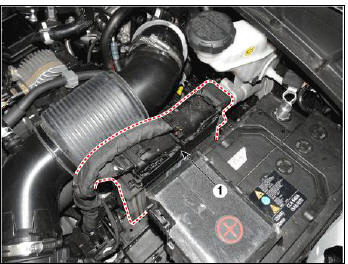
2. Mass Air Flow Sensor (MAFS)
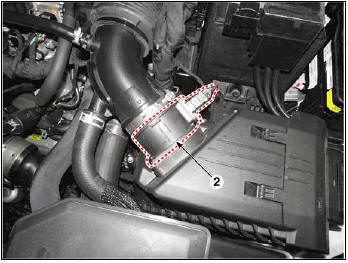
3. Manifold Absolute Pressure Sensor (MAPS)
4. Intake Air Temperature Sensor (IATS)
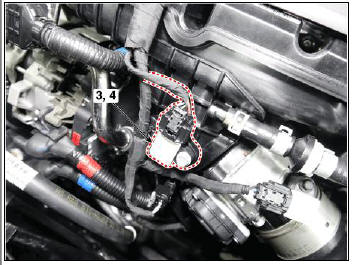
5. Boost Pressure Sensor (BPS)
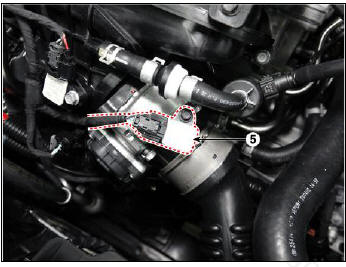
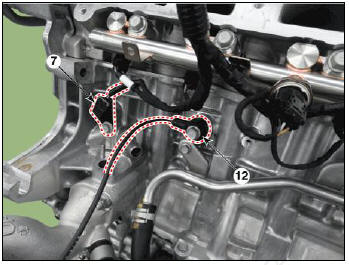
6. Engine Coolant Temperature Sensor (ECTS) #1
18. Rail Pressure Sensor (RPS)

7. Engine Coolant Temperature Sensor (ECTS) #2
12. Knock Sensor (KS)
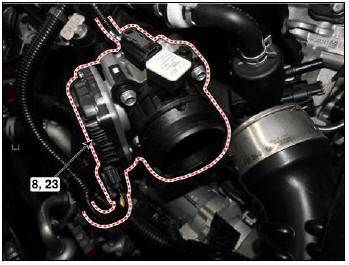
8. Throttle Position Sensor (TPS) integrated into ETC Module
23. ETC Motor integrated into ETC Module
9. Crankshaft Position Sensor (CKPS)
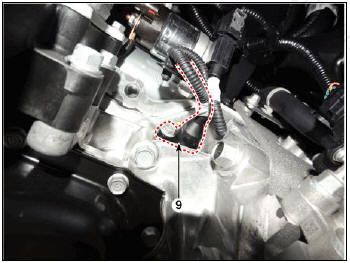
10. Camshaft Position Sensor (CMPS) Bank 1 / Intake
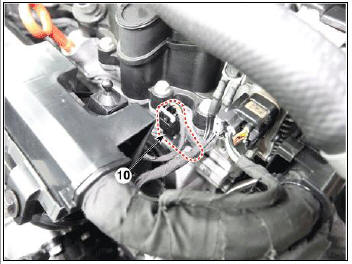
11. Camshaft Position Sensor (CMPS) Bank 1 / Exhaust
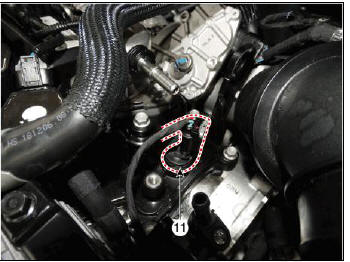
13. Heated Oxygen Sensor (HO2S) Bank 1 / Sensor 1
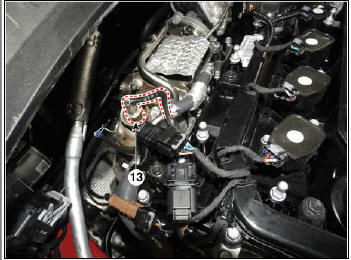
14. Heated Oxygen Sensor (HO2S) Bank 1 / Sensor 2
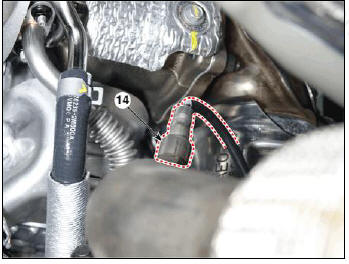
15. Exhaust Gas Temperature Sensor (EGTS) #1 GPF Type
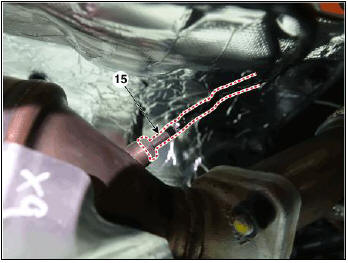
16. Exhaust Gas Temperature Sensor (EGTS) #2 GPF Type
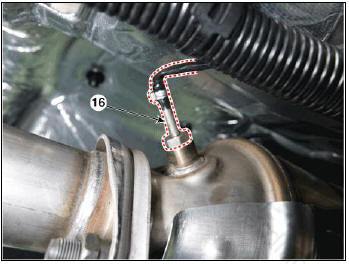
17. EGR Temperature Sensor
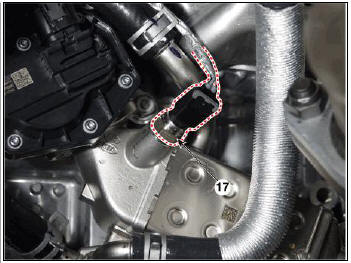
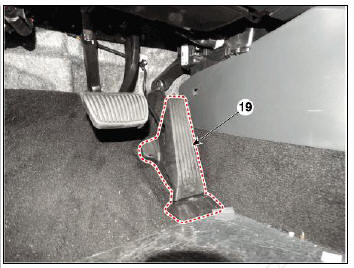
19. Accelerator Position Sensor (APS)
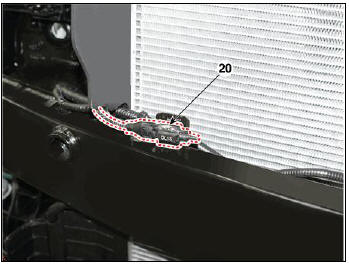
20. Ambient Temperature Sensor (ATS)
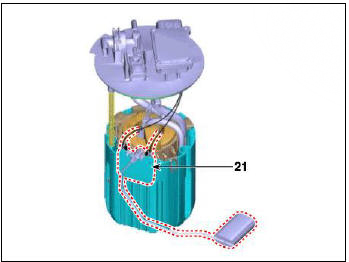
21. Fuel Level Sender (FLS)
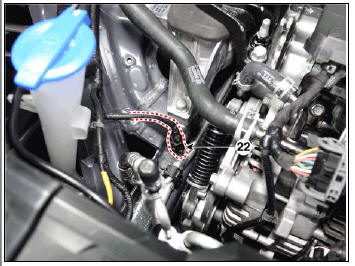
22. A/C Pressure Transducer (APT)
24. Injector
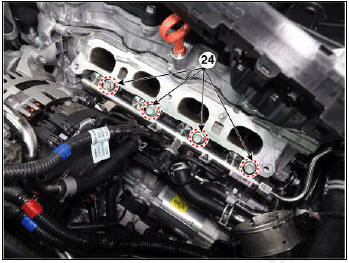
25. Purge Control Solenoid Valve (PCSV)
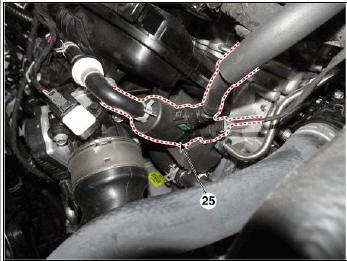
26. Variable Force Solenoid (VFS) Bank 1 / Intake
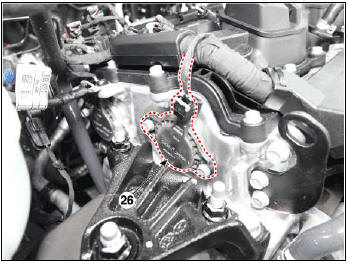
27. Variable Force Solenoid (VFS) Bank 1 / Exhaust
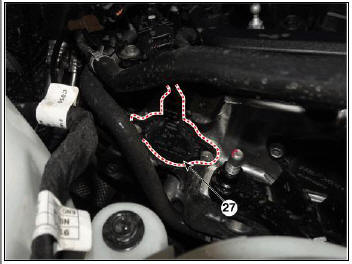
28. Oil Pressure & Temperature Sensor (OPTS)
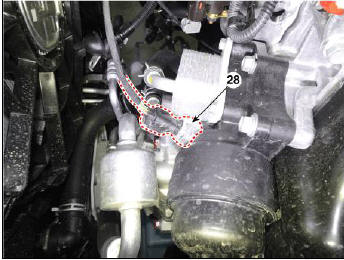
29. Electric WGT Control Actuator (EWGA)
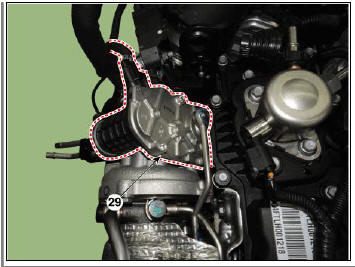
30. RCV Control Solenoid Valve
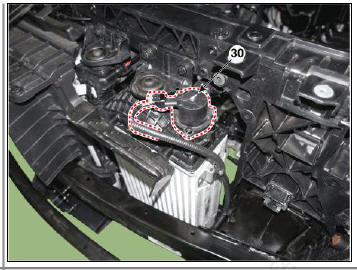
31. Fuel Pressure Control Valve (FPCV)
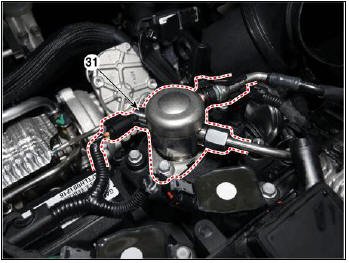
32. Electric Exhaust Gas Recirculation (EEGR) Control Valve
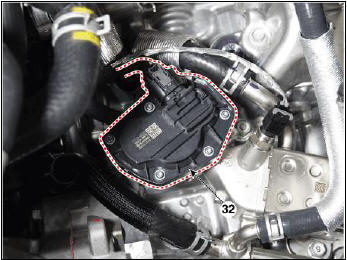
33. Differential Pressure Sensor (DPS)
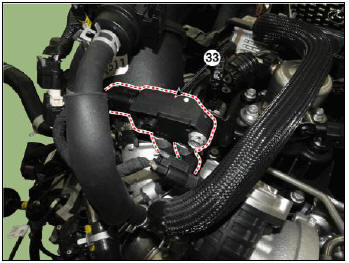
34. Integrated Thermal Mangement Module (ITM) Motor
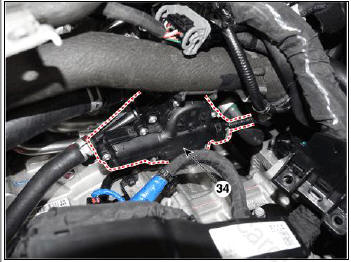
35. CVVD Acturator
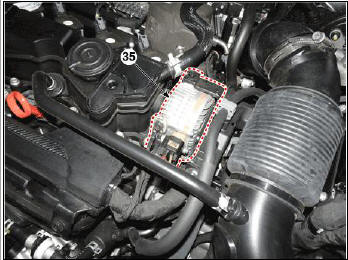
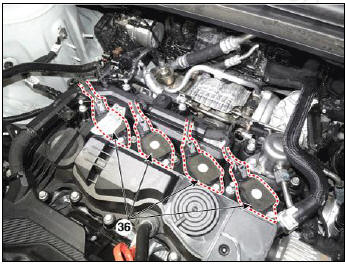
36. Ignition Coil
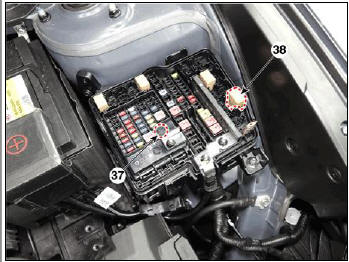
37. Main Relay 38. Fuel Pump Relay
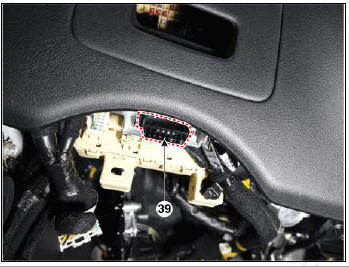
39. Data Link Connector (DLC)
READ NEXT:
 Engine Control Module (ECM)
ECM Terminal And Input/Output signal
ECM Terminal Function
Connector A
Connector B
Engine Control Module (ECM) - Removal
Removal
Turn ignition switch OFF and disconnect the battery negative (-)
terminal
Mass Air Flow Sensor (MAFS)
Description
MAFS uses a hot-film type sensing element to measure the mass of intake air
entering the engine, and
send the signal to ECM.
A large amount of intake air represents acceleration or high load conditions
while a small amount of
in
Boost Pressure Sensor (BPS)
Description
Boost pressure sensor (BPS) is installed on top of intercooler output pipe to
measures the pressure of
supercharged air in the turbocharger.
Specification
Circuit Diagram
Harness Connector
Inspection
Connect th
SEE MORE:
Steering wheel - Disassembly
Disassembly
Loosen the paddle shift switch mounting screw (A).
Remove the paddle shift switch (A) after disconnecting the connector.
Remove the lower cover (A) after loosening the screw.
Disconnect the wiring
Surround View Monitor (SVM) - Description
Surround View Monitor (SVM) is the system that allows video monitoring of 360
degrees around the vehicle. The system
includes 4 ultra optical camera mounted around the vehicle (front, both sides,
rear).
The video from these cameras are applie
Information
- Home
- Hyundai Tucson - Fourth generation (NX4) - (2020-2023) - Owner's Manual
- Hyundai Tucson - Fourth generation (NX4) - (2020-2023) - Workshop Manual
